← ALL CASE STUDIES
FIELD REPORT 01 · SHIPPED SYSTEM — BUILT FOR A PRACTISING M&A ATTORNEY

A lawyer's judgment, encoded and running in production.

Eight engineering capabilities we built for a practising M&A attorney — and what each one does for a firm that wants its own expertise to work without its partners in the room.

CLIENT Nodal Solutions
DOMAIN Contract & obligation practice
IN PRODUCTION SINCE 2024
STATUS Live, still shipping
01 — WHERE THIS STARTED

The client was the domain expert. Our job was translation.

Nodal came to us from a practising M&A attorney — someone who had spent a career negotiating the same confidentiality provisions, for the same reasons, against the same objections, and wanted the repetition to stop. He did not need to be told what the legal problem was. He needed the problem made executable.

What he handed over was a confidential requirements document: roughly ninety features, written with the precision of someone who knows the domain cold. It was a good document. It was also, in the places that mattered most, a list of questions rather than answers. Answering those is not implementation work. It is legal reasoning expressed as architecture — and it is the part of the job that decides whether the output is a document a lawyer will actually sign.

CAPABILITY 01

Encode professional judgment as executable rules.

THE PROBLEM — A firm's negotiating position is real, consistent, and almost never written down. It lives in the partners who have argued it before. Every matter re-derives it from scratch, and the answer drifts depending on who is holding the file.

WHAT WE ENGINEERED
Decomposed the instrument into 52 decision points, each with a library of acceptable and unacceptable variants
Built rank ordering, so a preference is expressed as a hierarchy rather than a binary
Allowed custom drafting where the library falls short — the escape hatch a lawyer always needs
Made the rules traceable: click a decision and see the exact text it produces

IN A FIRM — Your intake criteria, your drafting standards, your clause preferences — captured once, applied consistently, and enforced without a partner reviewing work they have already formed a view on.
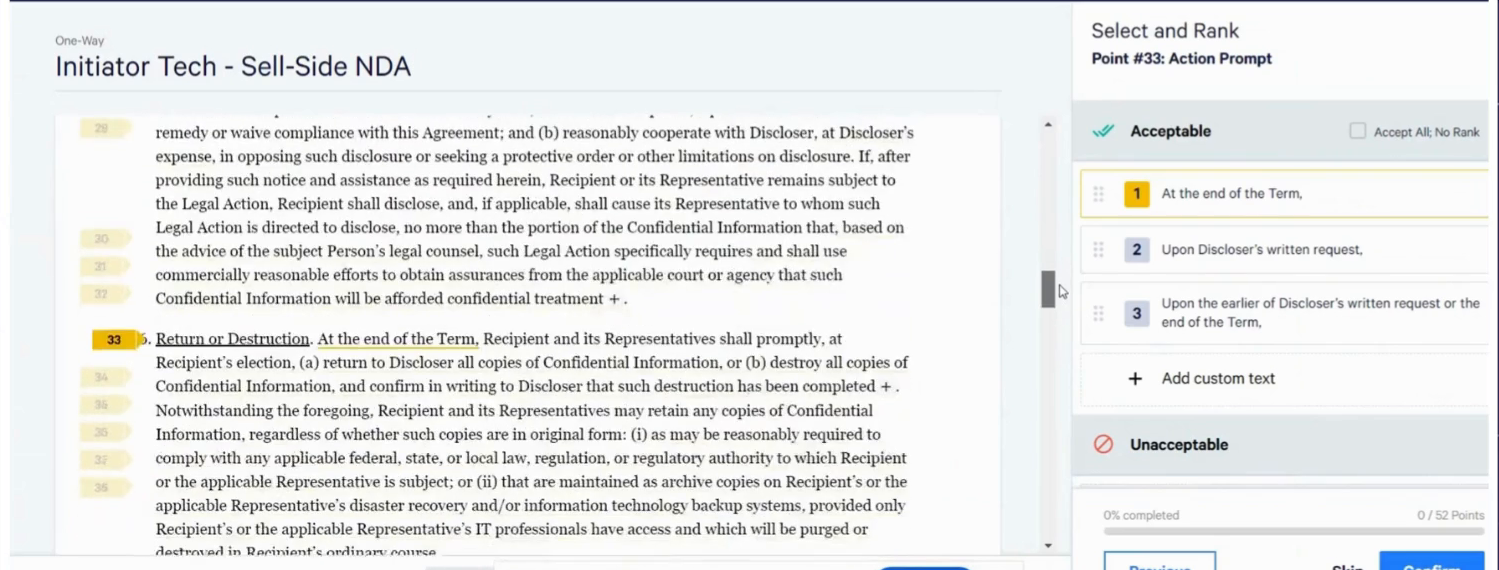
FIG. 1 — DECISION POINT 33 OF 52. ACCEPTABLE VARIANTS RANKED IN ORDER OF PREFERENCE; UNACCEPTABLE VARIANTS EXCLUDED FROM EVERY FUTURE MATTER.
CAPABILITY 02

Assemble documents that hold up as documents.

THE PROBLEM — Automated drafting fails on presentation, not logic. A provision assembled correctly but rendered with a broken signature block, a stray line, or a page break in the wrong place is not a document anyone will execute.

WHAT WE ENGINEERED
Generated complete instruments from rule output, recitals through execution page
Built one-way and mutual variants from one template spine, revised twice as the standard moved
Treated signature-page headers, spacing, and page breaks as defects equal to logic errors
Produced the executed PDF as the artefact of record, not a rendering of a web page

IN A FIRM — We treat typography and pagination as correctness requirements, because a partner will reject a document that looks wrong before they read it.
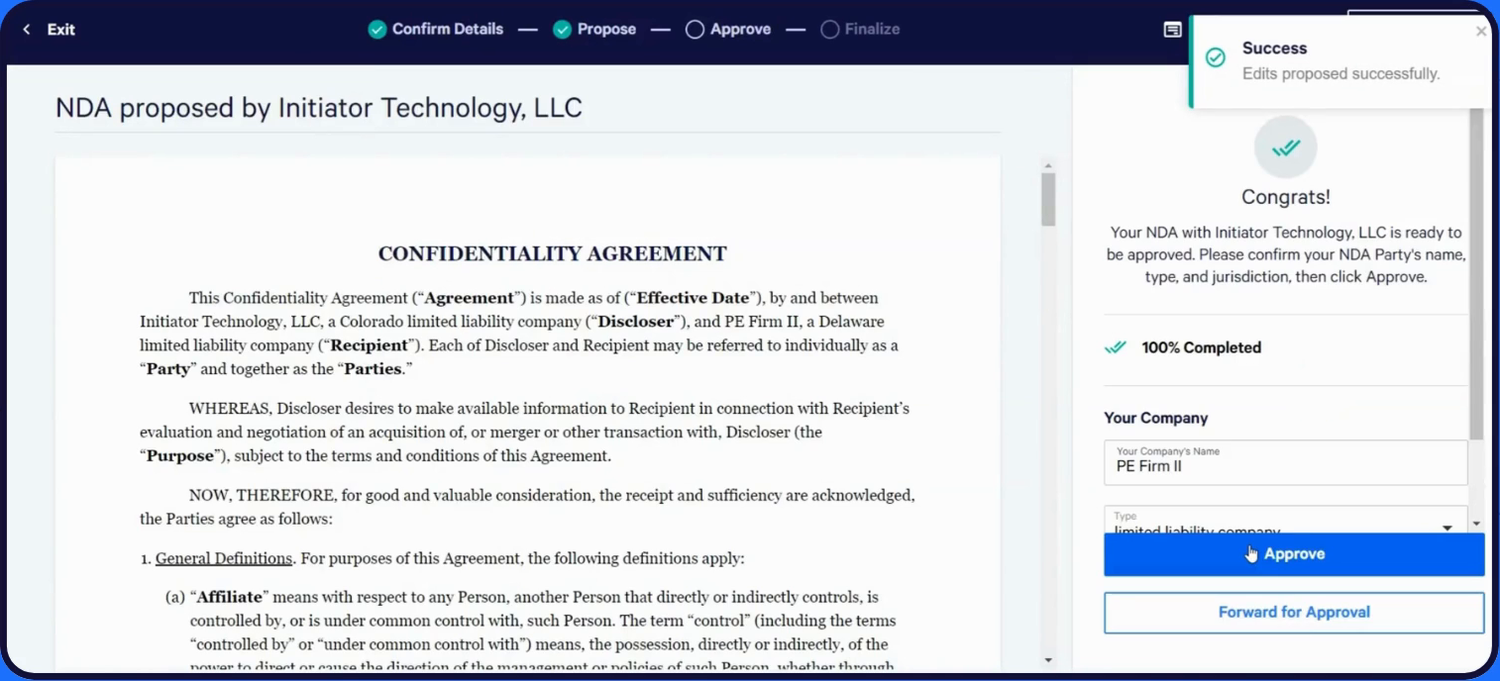
FIG. 2 — A FULLY MATCHED AGREEMENT, ASSEMBLED FROM RULE OUTPUT AND ROUTED FOR APPROVAL.
CAPABILITY 03

Automate deterministically, not generatively.

THE PROBLEM — Every firm has now been pitched AI by half a dozen vendors. The objection is always the same, and it is correct: a model that improvises cannot be trusted near a client document, because you cannot audit a decision it cannot explain.

WHAT WE ENGINEERED
Rule-based matching: only language the firm has pre-approved. The system never composes text
Surfaced disagreement instead of resolving it, so a human decides every unmatched provision
Handled the hard case — a matched instrument a party then edits anyway — without corrupting the record
Caught, in QA, a defect that marked an agreement approved while a party was still mid-edit

IN A FIRM — Where a rule will do, we write a rule. We reach for a model only where judgment is genuinely ambiguous, and we tell you which is which — so you always know whether an output is auditable or merely plausible.
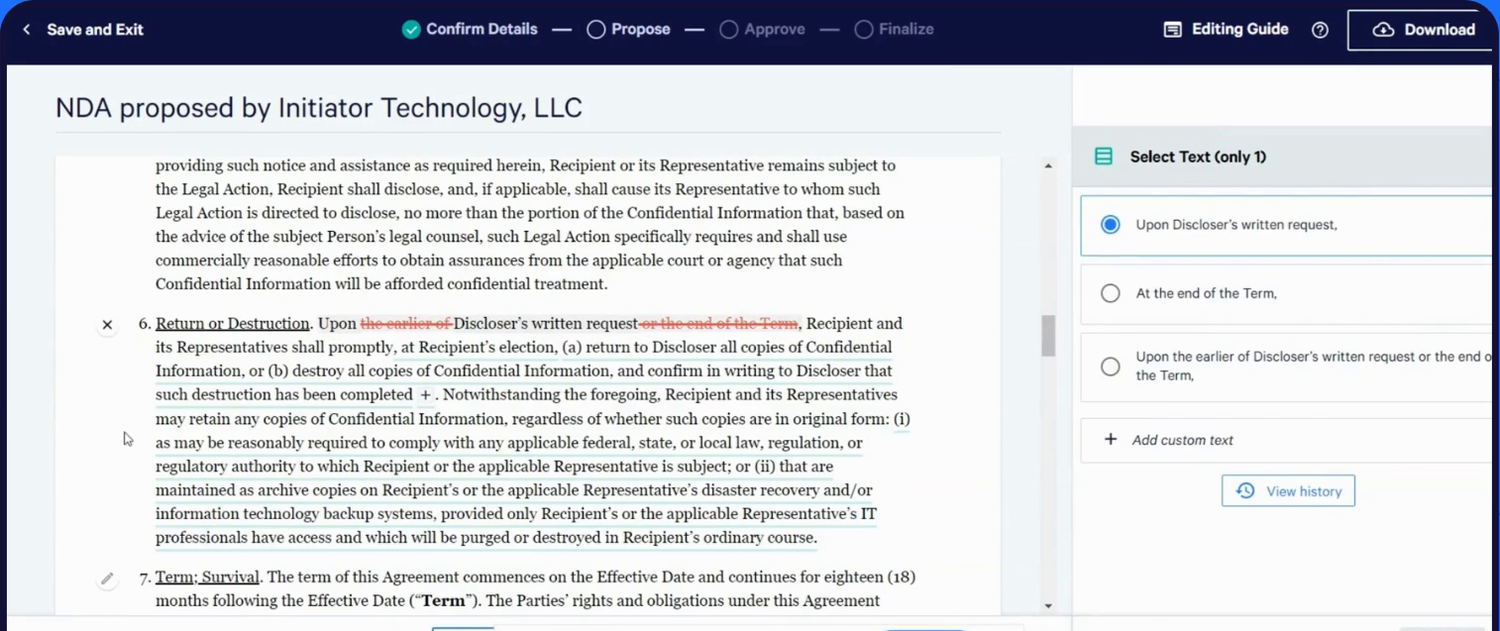
FIG. 3 — TERM-LEVEL REVIEW. STRUCK LANGUAGE AT LEFT; PRE-APPROVED ALTERNATIVES AT RIGHT. NO TEXT IS GENERATED.
CAPABILITY 04

Execute with evidentiary integrity.

THE PROBLEM — An electronic signature is only worth the record standing behind it. Consent, locking, sequence, and immutability are not features of a signing flow — they are the reason the resulting instrument is enforceable at all.

WHAT WE ENGINEERED
Captured explicit electronic-disclosure consent from both parties
Locked the instrument on mutual acceptance, so agreed language cannot change after
Drafted terms of service into the application itself rather than leaving them on a website
Generated and stored the executed instrument as the permanent record

IN A FIRM — The same discipline applies to any firm workflow that produces a binding artefact: engagement letters, retainers, client authorisations. Getting the consent and the audit trail right is what makes the automation defensible.
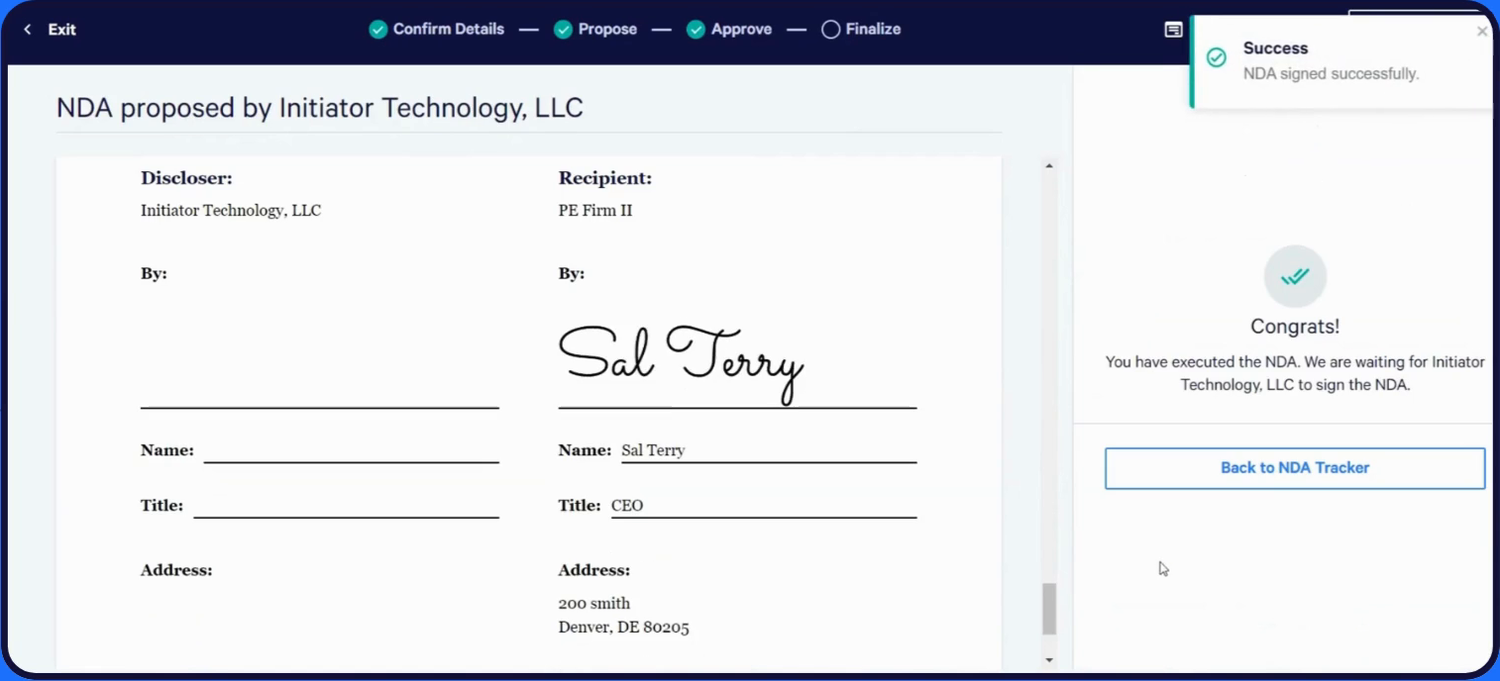
FIG. 4 — EXECUTED, LOCKED, AND STORED. SIGNED ELECTRONICALLY WITH RECORDED CONSENT FROM BOTH PARTIES.
CAPABILITY 05

Turn obligation tracking into a system of record.

THE PROBLEM — The obligations a firm owes and is owed — expiry dates, return-or-destroy duties, non-solicit terms, restrictions accepted on a client's behalf — are typically tracked in a spreadsheet one person maintains and nobody audits.

WHAT WE ENGINEERED
Built two registers: matters in progress, and executed instruments with live obligations
Derived obligation flags from the instrument itself, not from anyone typing them
Made status explicit and shared across the team, not held in one head
Corrected the reporting logic, then migrated the records already written wrong

IN A FIRM — A register that is wrong is worse than no register, because people rely on it. We built for the truth of the table, not the table — which meant fixing the logic and repairing the history behind it.
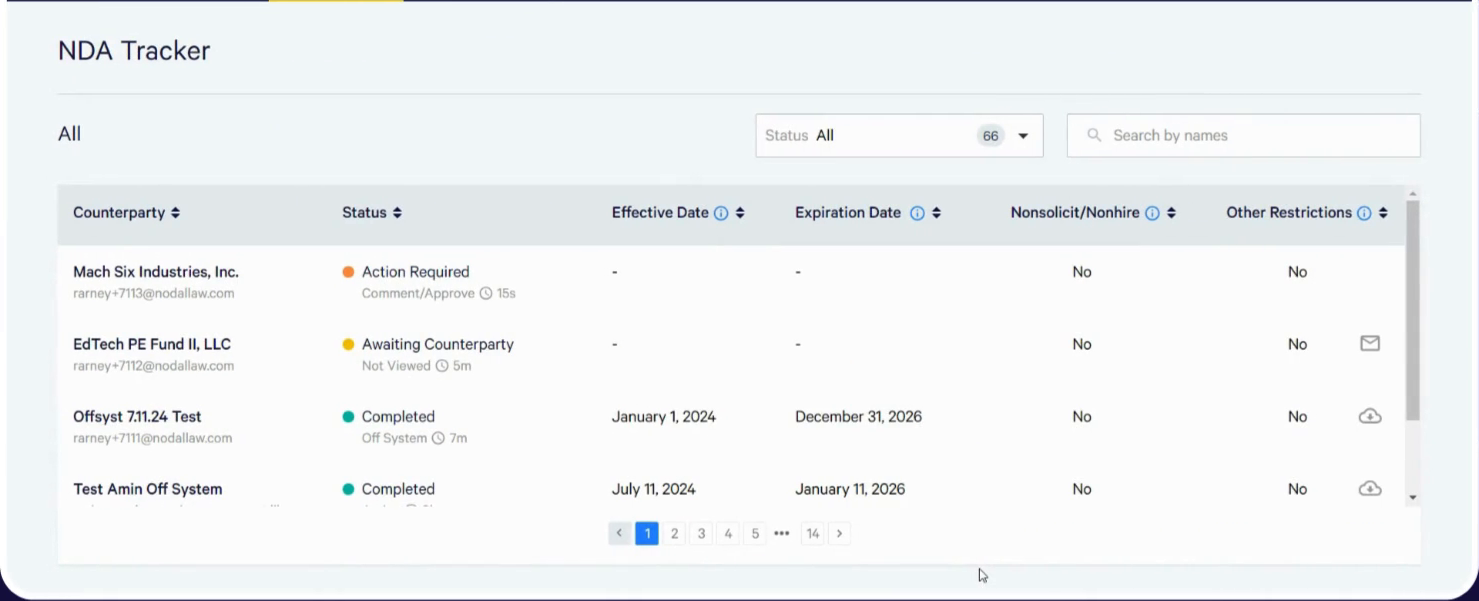
FIG. 5 — OBLIGATION REGISTER. STATUS, EFFECTIVE AND EXPIRY DATES, AND RESTRICTION FLAGS PER COUNTERPARTY.
CAPABILITY 06

Reach past the firm's walls.

THE PROBLEM — A workflow involving anyone outside the firm cannot require them to adopt your software. Opposing counsel, a counterparty, a client — none of them will create an account because it suits your process.

WHAT WE ENGINEERED
Built a guest path: a third party can review, edit, and execute without a licence
Generated shareable links that route correctly when a matter already exists between the same parties
Recognised a recipient who is already a user and switched them to their own rules
Let the firm preview the exact invitation the other side receives before it is sent

IN A FIRM — Client portals and third-party workflows fail on adoption, not features. Anything we build that touches someone outside your firm has to work for a person who has never heard of it and has no reason to try.
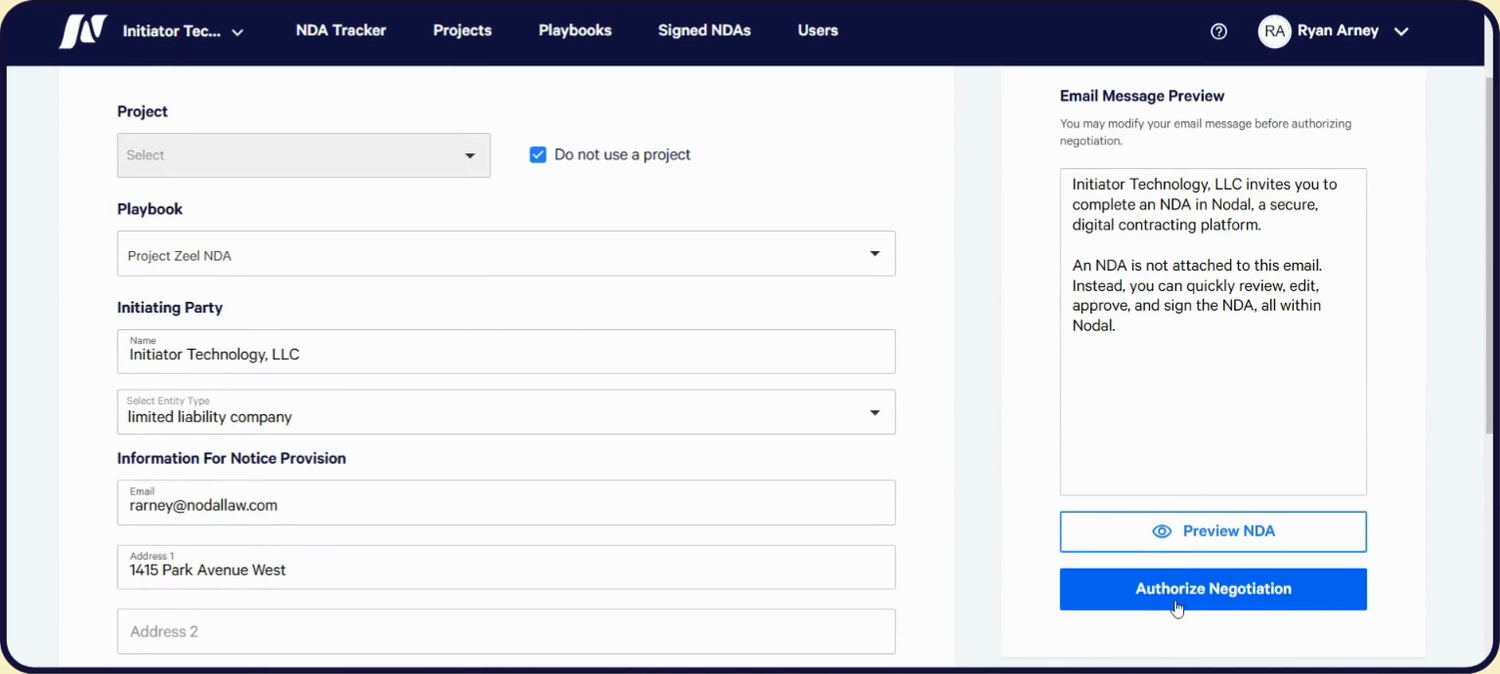
FIG. 6 — THE INVITATION AS THE COUNTERPARTY WILL RECEIVE IT, PREVIEWED BEFORE SENDING.
CAPABILITY 07

Absorb the existing mess without losing the record.

THE PROBLEM — No firm starts clean. There are years of executed instruments, matters negotiated outside any system, and records that were entered wrong and relied on since. A tool that only handles work created inside it solves the easy half of the problem.

WHAT WE ENGINEERED
Built off-system intake, so an instrument negotiated in Word and signed by hand still lands in the register with the rest
Reported on-system and off-system matters through one register, so the firm has one view and not two
Migrated historical register entries in place after correcting the logic that produced them — the riskiest class of change on a signed-instrument system
Repaired execution-page headers on instruments that were already signed, without altering agreed language

IN A FIRM — Migration is where these projects actually fail. A firm's twenty years of files are the asset, and moving them is not a data-entry task — it is the highest-risk work in the engagement. We price it and plan it as such.

CAPABILITY 08

Hold confidential material like it is confidential.

THE PROBLEM — A system holding client-confidential instruments is held to a different standard than a project tracker. If it is unavailable for an hour, a matter is exposed. If it loses a record, that is not a bug report.

WHAT WE ENGINEERED
Incidents owned, not escalated: a production outage diagnosed and restored; the public site recovered over a holiday; a broken release pipeline unblocked; an expiring certificate and a lapsed hosting account both caught before either became an outage
Protected release path: main branch protected, automated tests and quality gates required before merge
Staged verification: schema and migration changes proven in staging before touching production
Role-based access: administrator, rule manager, initiator, and recipient separated from the first release

IN A FIRM — Said plainly: branch protection and pre-merge checks were introduced partway through this engagement rather than at the start. On a system holding confidential instruments that should have come first, and on your engagement it would — it is the one thing we would sequence differently.

87 TRACKED ITEMS OVER TWO AND A HALF YEARS
70 SHIPPED
1–3 ENGINEER POD, NAMED CONTINUITY ACROSS HANDOVERS
2024 IN PRODUCTION SINCE — STILL SHIPPING
STILL UNSOLVED, NAMED PLAINLY: BENCHMARKING AGAINST MARKET NORMS, REPORTING ON HAND-DRAFTED FREE TEXT, AND MEASURING "TIME SAVED" IN A WAY ANYONE WOULD DEFEND.
ON THE RECORD

A lawyer told us what he knew. We made it run.

FIELD REPORT 01 — THE SHORT VERSION

We read the domain, not just the ticket. We build the auditable thing first — rules where a rule will do, a model only where judgment is genuinely ambiguous. And we stay for the unglamorous half: migrations, outages, release discipline, and the audit trail.

INDEX All case studies NEXT STUDY The drafting tool that never says “I don't know” →
DWG. FINAL

Start with the plan.

The $2,000 deposit is credited toward the build and refundable for two weeks after the plan lands. The plan is yours either way.

Book a scoping call →