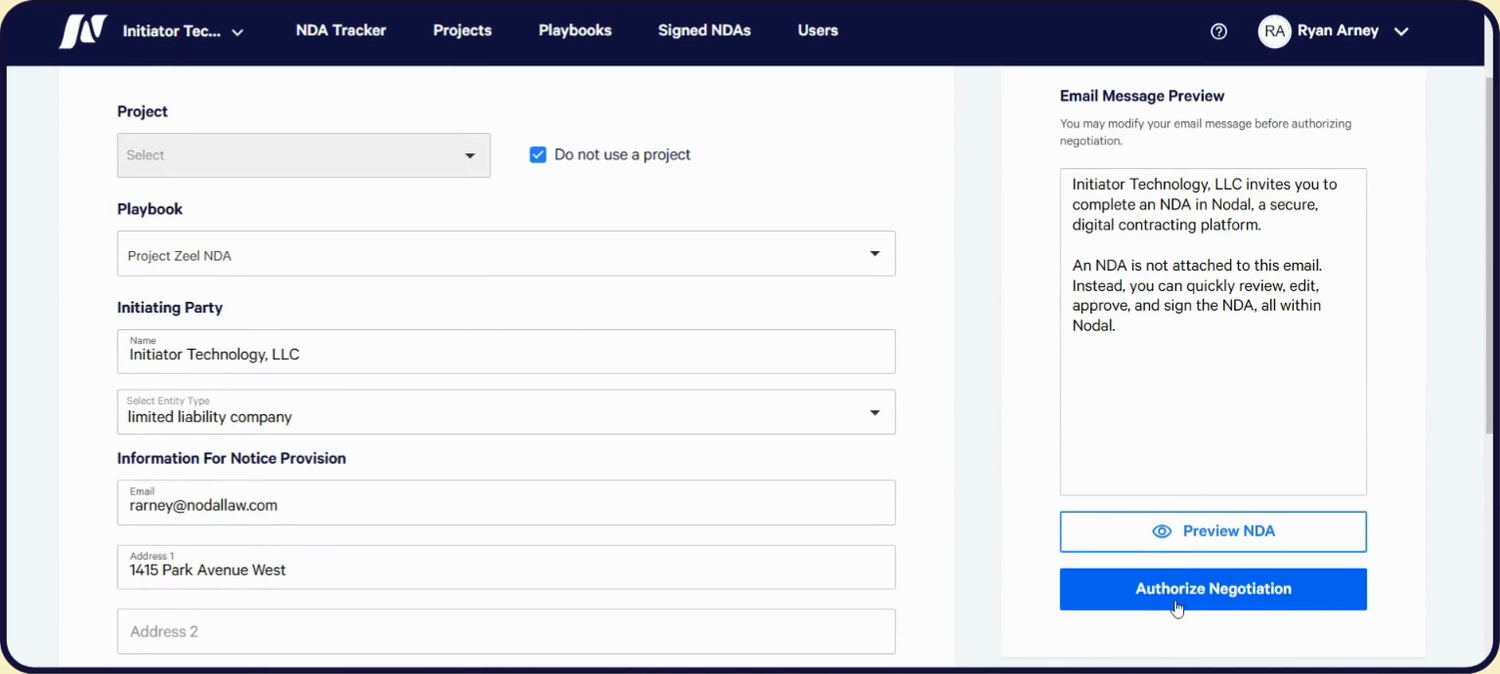
Encode professional judgment as executable rules.
THE PROBLEM — A firm's negotiating position is real, consistent, and almost never written down. It lives in the partners who have argued it before. Every matter re-derives it from scratch, and the answer drifts depending on who is holding the file.
IN A FIRM — Your intake criteria, your drafting standards, your clause preferences — captured once, applied consistently, and enforced without a partner reviewing work they have already formed a view on.
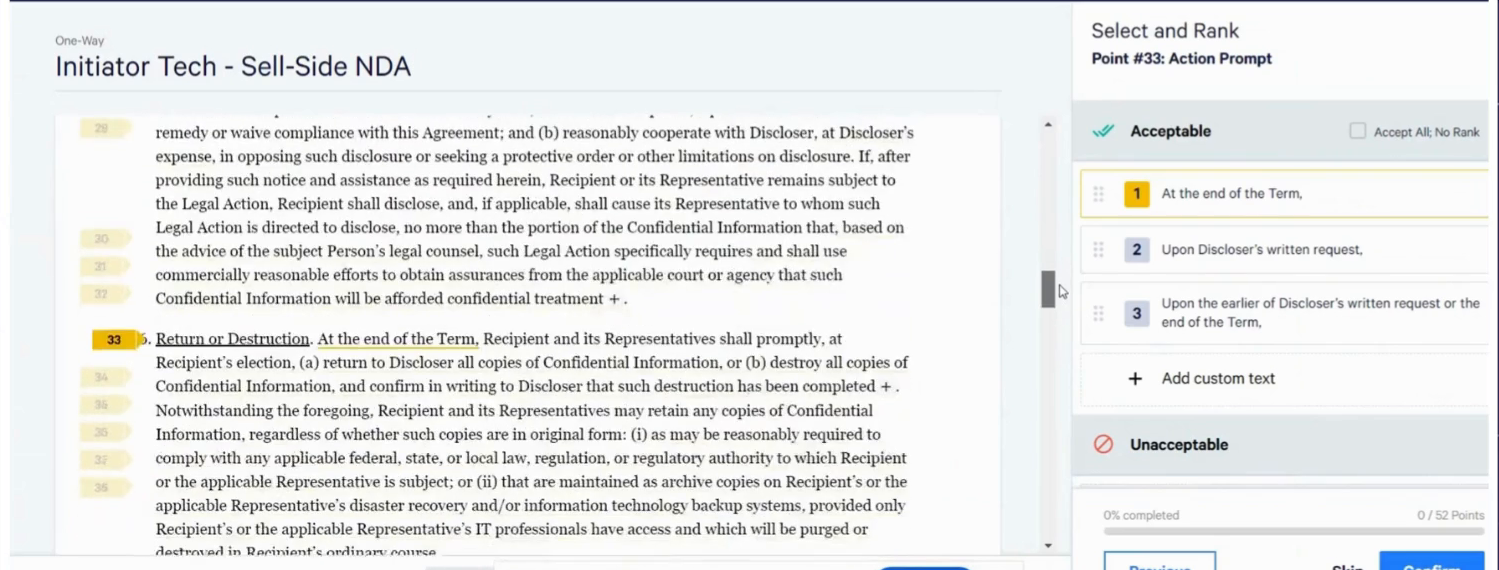
Assemble documents that hold up as documents.
THE PROBLEM — Automated drafting fails on presentation, not logic. A provision assembled correctly but rendered with a broken signature block, a stray line, or a page break in the wrong place is not a document anyone will execute.
IN A FIRM — We treat typography and pagination as correctness requirements, because a partner will reject a document that looks wrong before they read it.
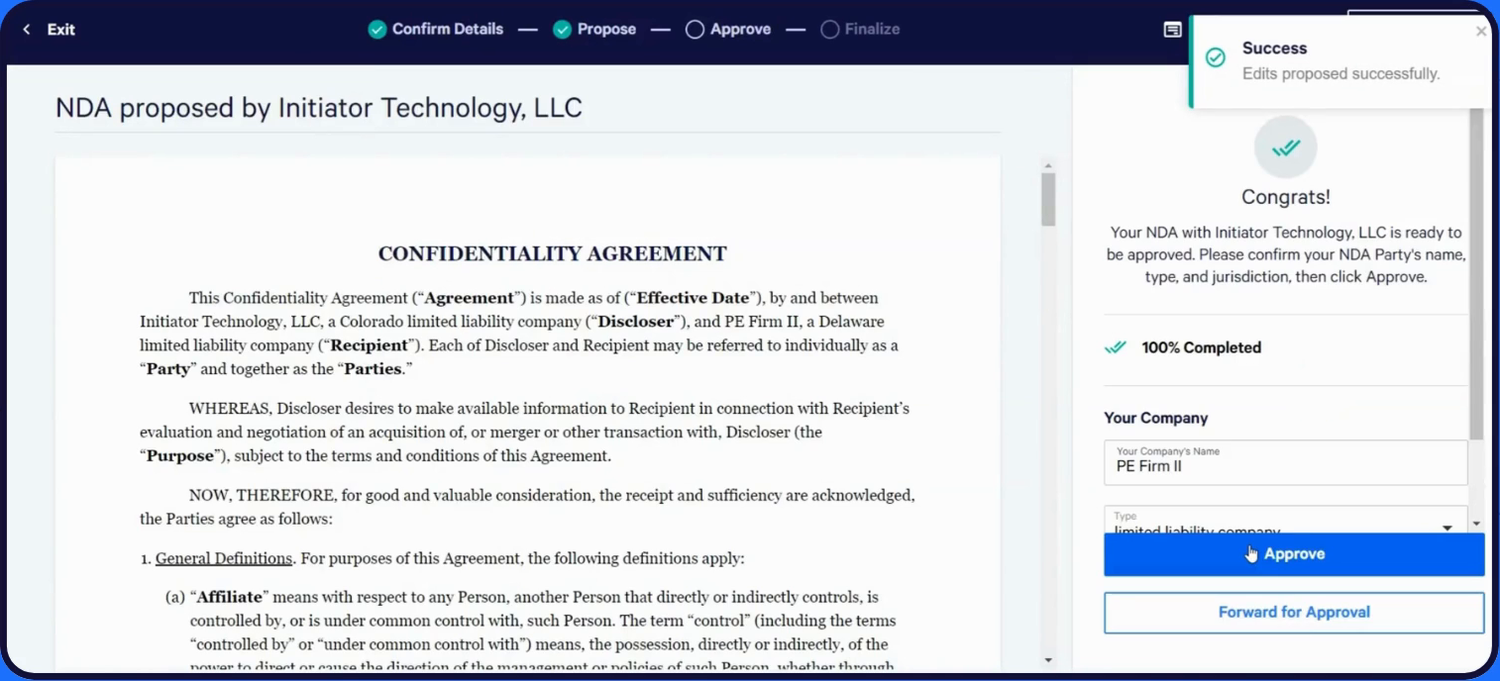
Automate deterministically, not generatively.
THE PROBLEM — Every firm has now been pitched AI by half a dozen vendors. The objection is always the same, and it is correct: a model that improvises cannot be trusted near a client document, because you cannot audit a decision it cannot explain.
IN A FIRM — Where a rule will do, we write a rule. We reach for a model only where judgment is genuinely ambiguous, and we tell you which is which — so you always know whether an output is auditable or merely plausible.
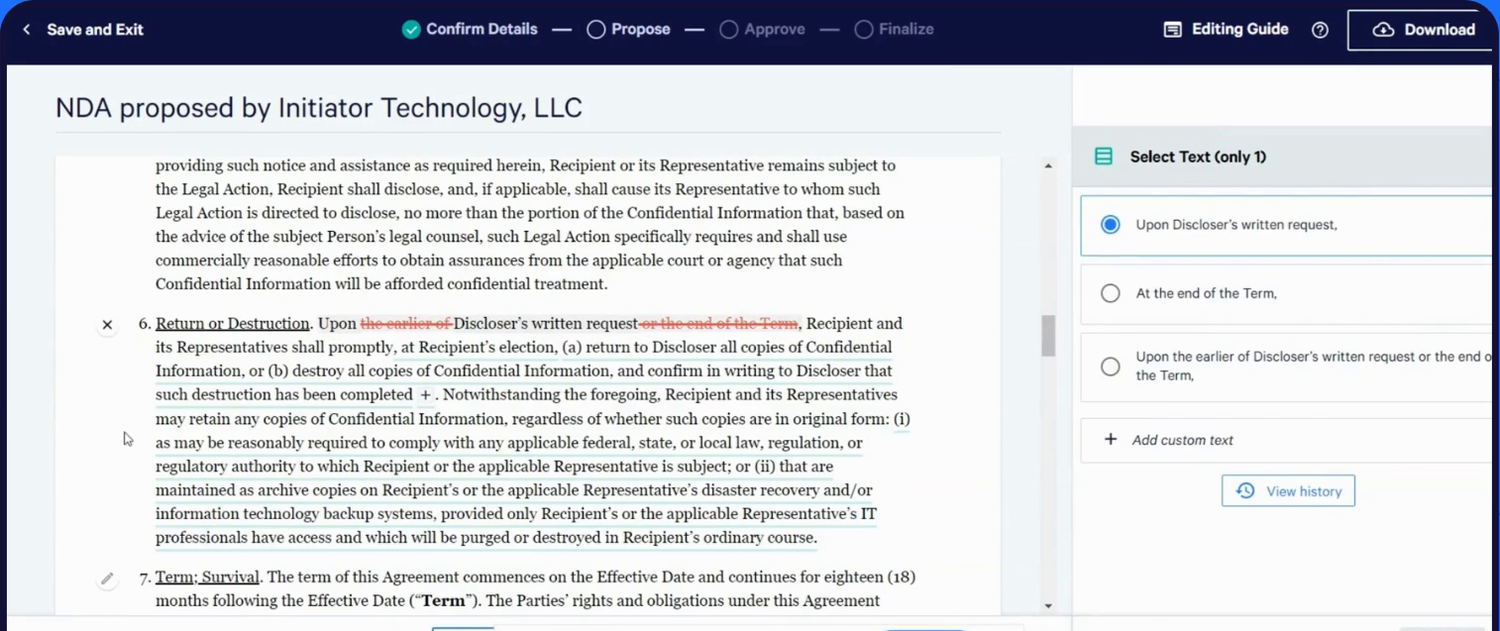
Execute with evidentiary integrity.
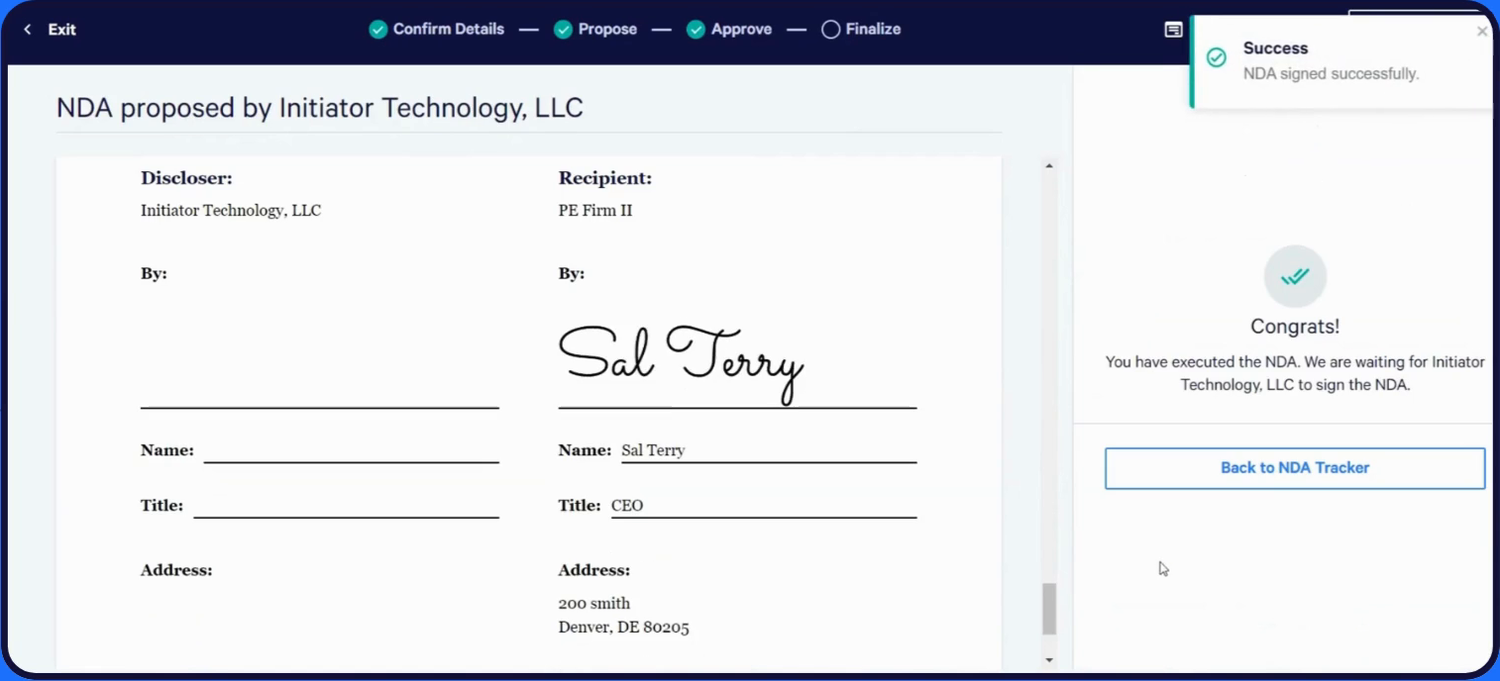
THE PROBLEM — An electronic signature is only worth the record standing behind it. Consent, locking, sequence, and immutability are not features of a signing flow — they are the reason the resulting instrument is enforceable at all.
IN A FIRM — The same discipline applies to any firm workflow that produces a binding artefact: engagement letters, retainers, client authorisations. Getting the consent and the audit trail right is what makes the automation defensible.
Turn obligation tracking into a system of record.
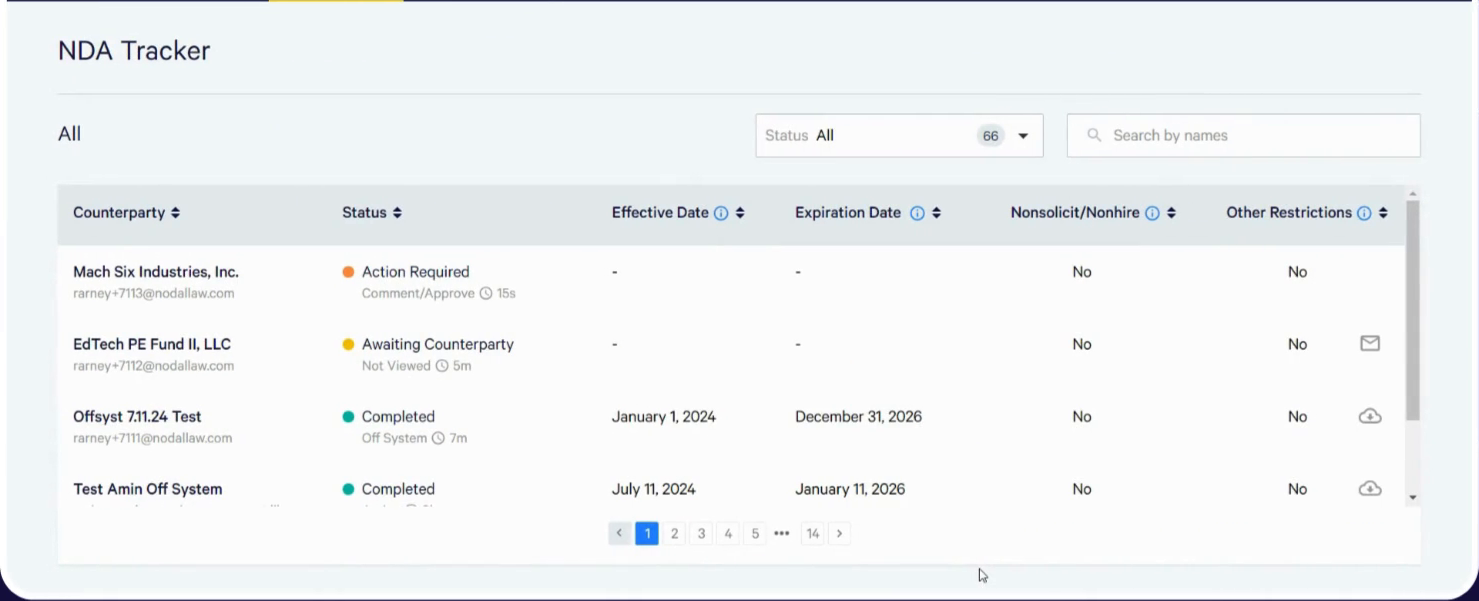
THE PROBLEM — The obligations a firm owes and is owed — expiry dates, return-or-destroy duties, non-solicit terms, restrictions accepted on a client's behalf — are typically tracked in a spreadsheet one person maintains and nobody audits.
IN A FIRM — A register that is wrong is worse than no register, because people rely on it. We built for the truth of the table, not the table — which meant fixing the logic and repairing the history behind it.
Reach past the firm's walls.
THE PROBLEM — A workflow involving anyone outside the firm cannot require them to adopt your software. Opposing counsel, a counterparty, a client — none of them will create an account because it suits your process.
IN A FIRM — Client portals and third-party workflows fail on adoption, not features. Anything we build that touches someone outside your firm has to work for a person who has never heard of it and has no reason to try.